For many young people, the biggest barrier to accessing sexual and reproductive health services is not the lack of services—it is getting to them.
Distance, long waiting times, stigma and fear of judgment can keep young people away from health facilities, even when they need information, testing or contraception.
Action for Health Uganda (A4HU) is changing this.
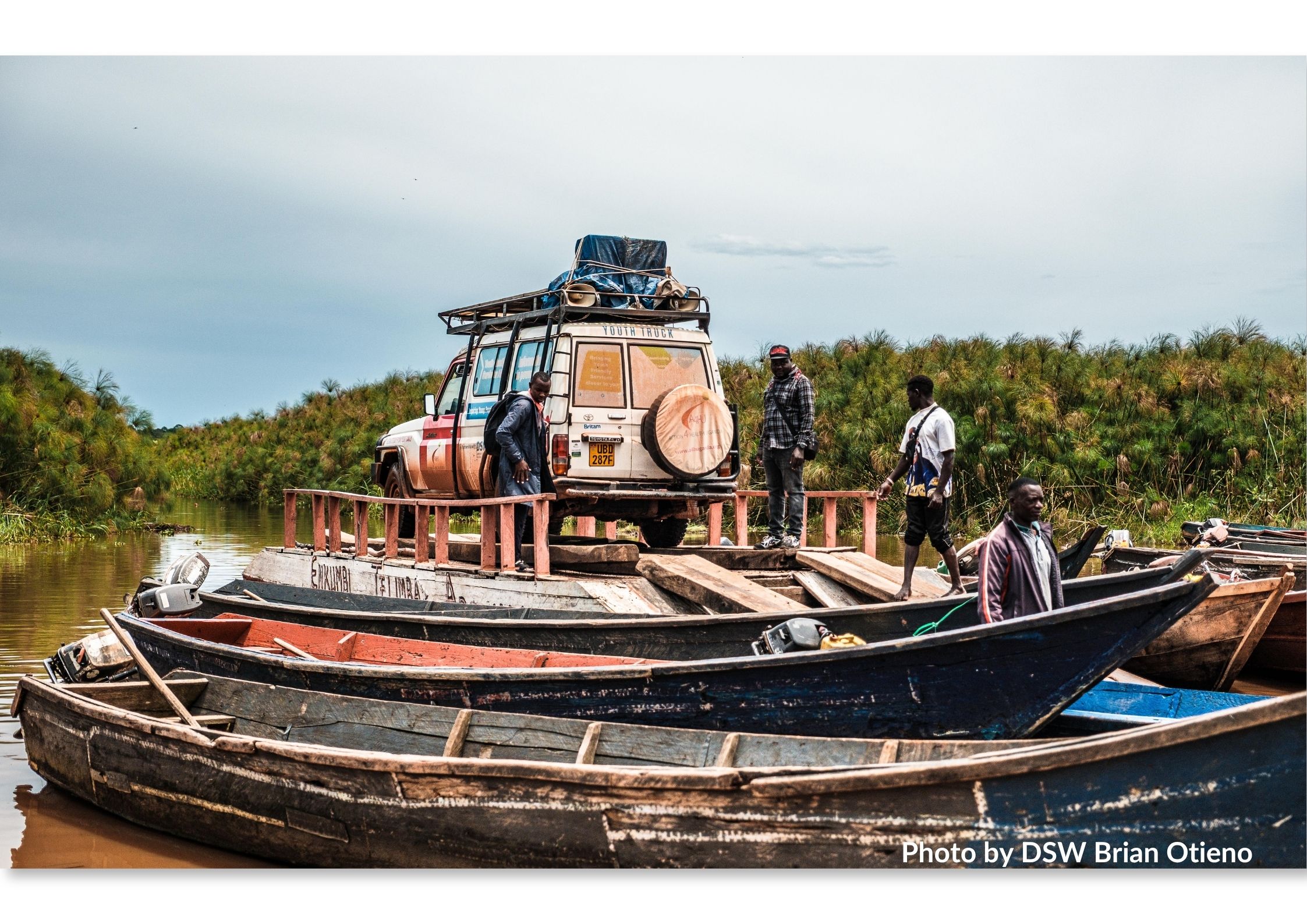
Through Future on Wheels, A4HU is taking youth-friendly sexual and reproductive health and rights (SRHR) information and services out of conventional health facilities and directly into the communities where young people live, work and spend their time.
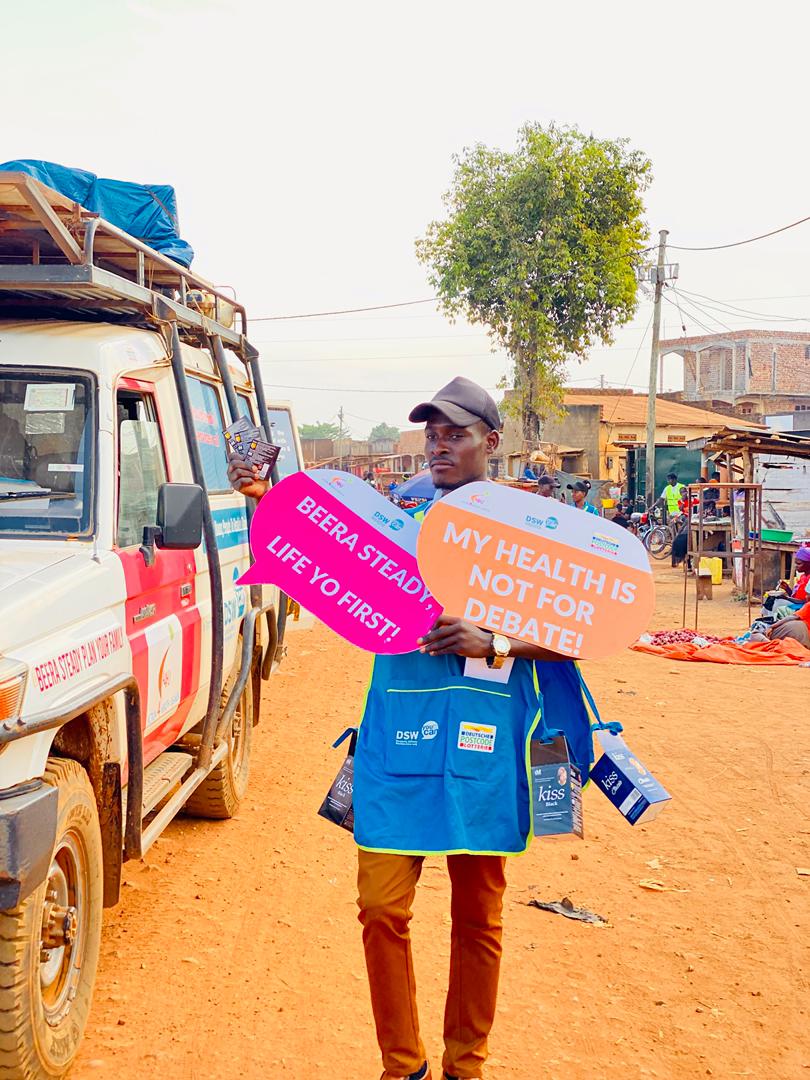
Powered by DSW (Deutsche Stiftung Weltbevölkerung) and Postcode Lotterie, the Youth Truck is more than a mobile health facility. It is an innovative community engagement and service-delivery platform that combines health services with entertainment, peer education and youth participation to make SRHR services more accessible, approachable and relevant to young people.
Bringing services to young people-not waiting for them
The model is simple but powerful: go where young people are.
Instead of expecting a young person to travel to a health facility, the Youth Truck brings services into busy community spaces-from markets and trading centers to other places where young people naturally gather.
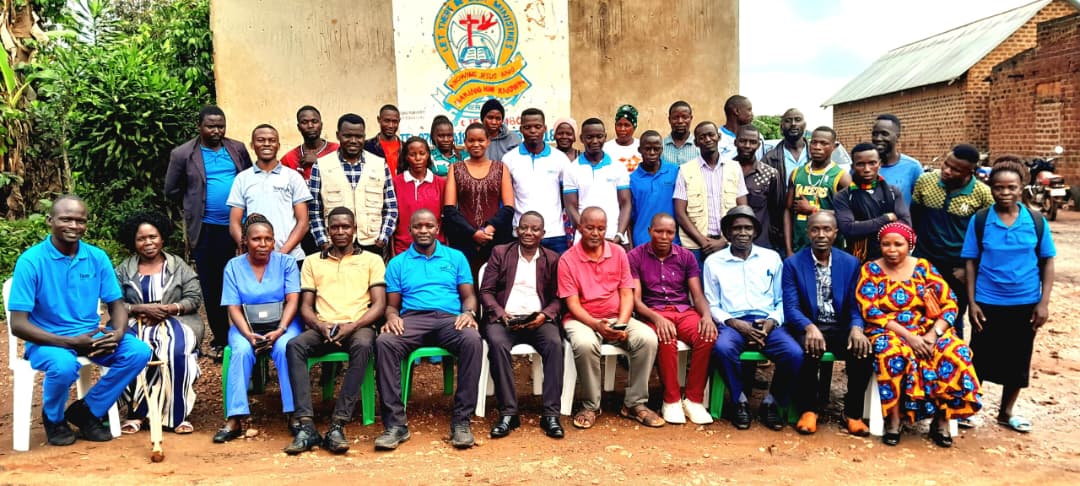
In June 2026, the Youth Truck rolled into Kateete Village in Kigogola Parish, Kasawo Sub-county, Mukono District, transforming an ordinary community day into a vibrant SRHR outreach. Young people gathered around the truck to dance, ask questions, participate in competitions and, importantly, access health information and services.
The model was also taken to Nabweru in Nansana Municipality, Wakiso District, where the Youth Truck set up alongside a busy market day on July 27. The outreach reached 273 young people-123 female and 150 male.
These numbers represent more than people reached. They represent young people who were given an opportunity to access health services in a space designed to feel familiar, welcoming and free from judgment.
Where health meets youth culture
A key strength of Future on Wheels is its ability to make health conversations engaging.
The Youth Truck uses music, dance, Luga Flow competitions, peer education and youth-led engagement to attract young people and create entry points for conversations about SRHR. In Mukono, a Luga Flow competition and SRHR quiz drew enthusiastic participation, with branded A4HU hooded jumpers awarded to winners.
In Nabweru, local skaters and dancers helped attract community members, while peer educators and health workers provided accurate information and services.
Behind the energy are essential services, including HIV testing and counseling, family planning information and services, condom distribution, and health education materials.
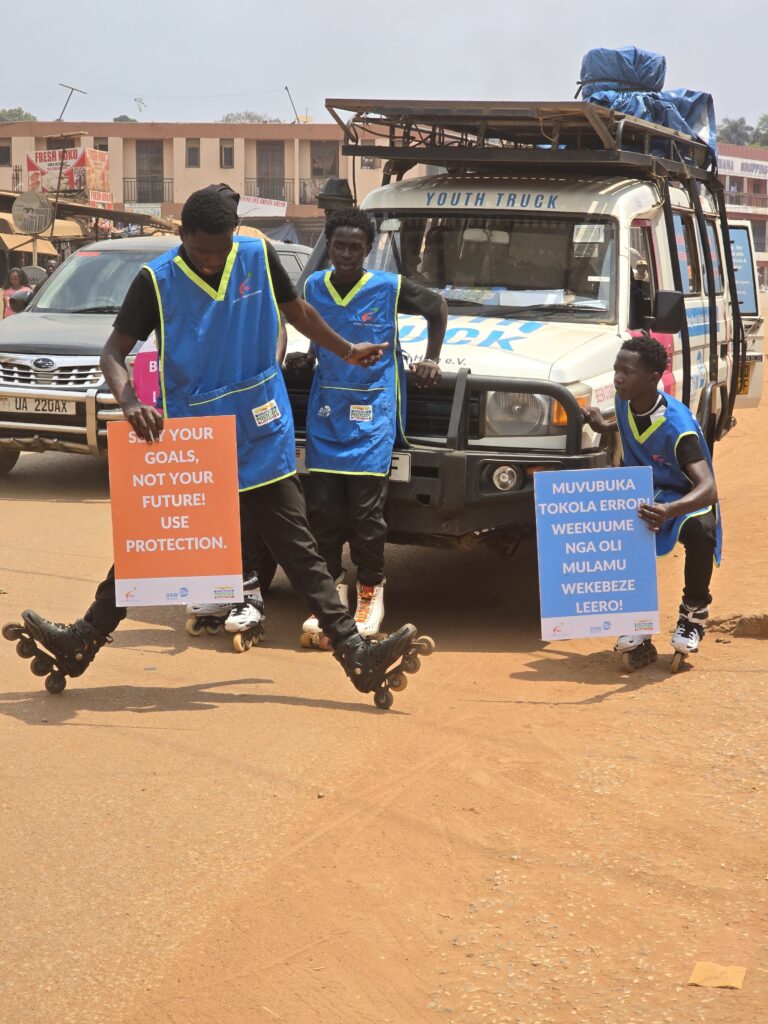
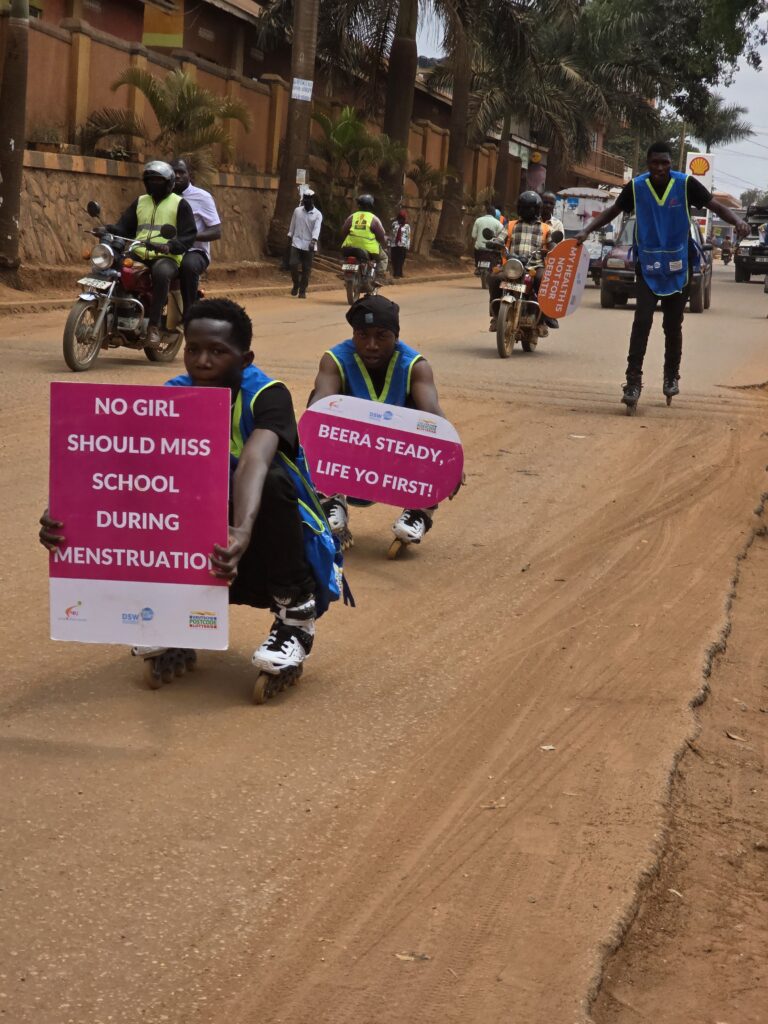
Reaching young people who are often left behind
Future on Wheels is particularly valuable for reaching young people who may face additional barriers to accessing conventional health services.
At the Mukono roadshow, the outreach engaged commercial sex workers, market vendors, boda boda riders and other community members who may not routinely visit health facilities. In Nabweru, the approach similarly reached market vendors, boda boda riders, shoppers and local youth.
By embedding SRHR services within everyday community activities, the Youth Truck reduces the distance—both physical and social—between young people and healthcare.
The result is a more proactive model of service delivery: instead of asking, “Why aren’t young people coming to the clinic?” the model asks, “Where are young people, and how can we take services to them?”
Young people are driving the change
Future on Wheels is also built around the belief that young people should not simply be recipients of health information—they should be partners in delivering it.
Youth champions and peer educators from Youth Empowerment Centers work alongside professional health workers, creating opportunities for young people to engage with peers who understand their experiences and concerns.
Michael Wadada, Chairperson of the Mukono Youth Empowerment Center, described the difference this creates:
“As a peer educator, I had the opportunity to connect with young people in a space where they felt safe to ask questions about sexual and reproductive health, HIV, and mental health.”
For him, the Youth Truck is more than a mobile clinic. It is a platform for building trust, breaking stigma and making it easier for young people to access the services they need to make informed decisions about their health and future.
An approach with potential to go further
The Youth Truck demonstrates what is possible when community outreach, youth leadership, entertainment and health service delivery are brought together in one model.
Its value is not only in the services delivered during each roadshow. Each stop creates stronger connections between young people, peer educators and existing health facilities—helping communities know where and how to access continued care after the truck moves on.
For partners and donors investing in youth SRHR, Future on Wheels offers an approach that responds directly to one of the most persistent challenges in health programming: reaching the people who need services but may not actively seek them from formal systems.
It takes services closer.
It creates safer spaces for conversation.
It uses youth culture to open difficult conversations.
And it connects young people to the health system through trusted community actors.
From outreach to opportunity
Every time the Youth Truck arrives in a community, it creates an opportunity for a young person to ask a question they may otherwise keep to themselves, take an HIV test they may have postponed, learn about family planning, access condoms or connect with a health provider.
And when the truck leaves, it leaves behind more than the memory of music, dance and competition.
It leaves behind knowledge, confidence, resources and stronger links to care.
Through Future on Wheels, Action for Health Uganda is demonstrating that innovative SRHR programming does not always require young people to find their way to services.
Sometimes, the most effective way to reach young people is to take the road to them.
One community. One roadshow. One young person at a time.