By Miriam Cherukut
Partnerships and Program Lead, Action 4 Health Uganda
Link to Daily Monitor article: https://www.monitor.co.ug/uganda/oped/commentary/-why-2026-is-a-critical-year-in-the-fgm-fight-5349302
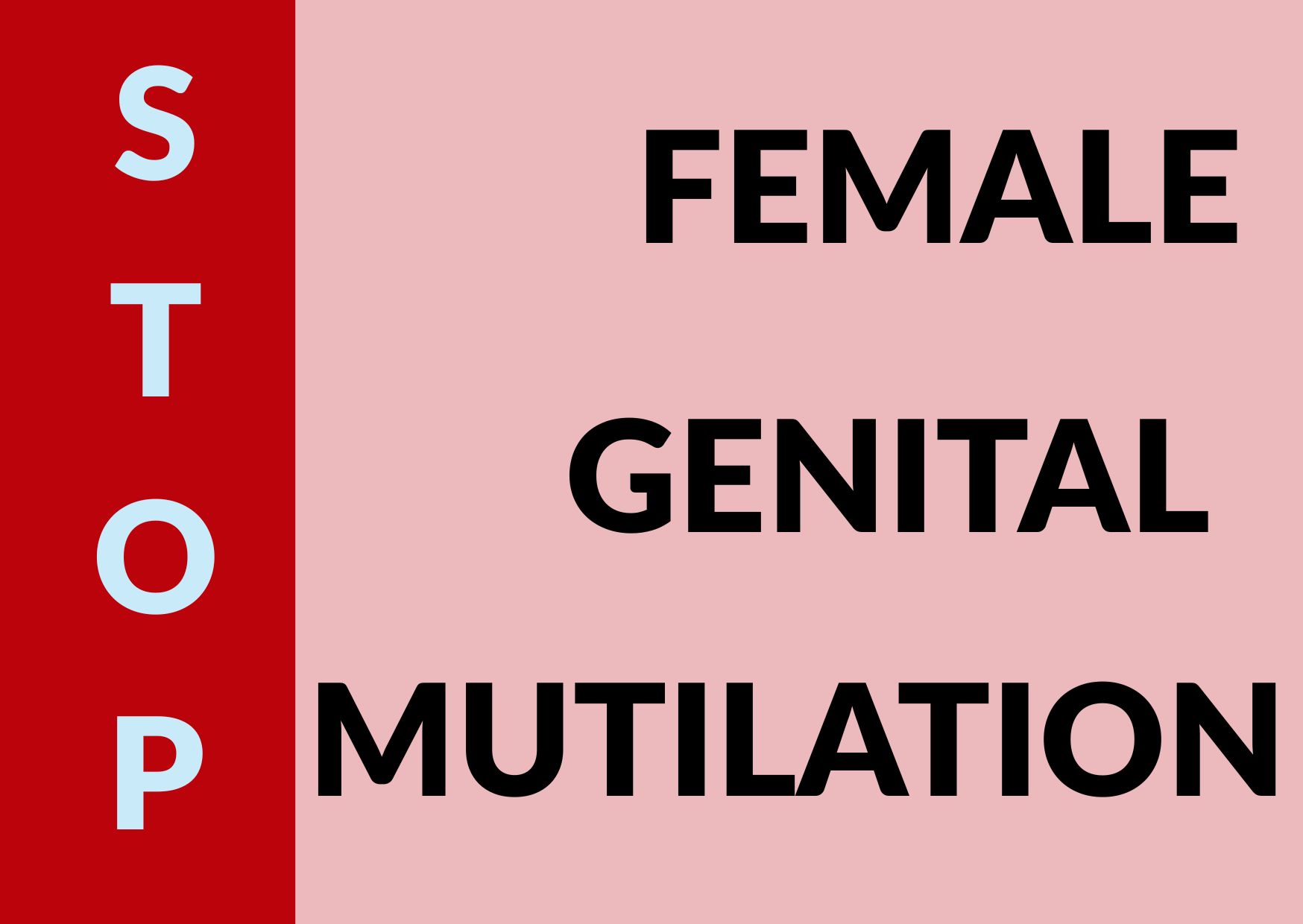
Now that elections are nearly behind us, it is time to refocus our energy on an issue that continues to affect women and girls in the Sebei sub-region and Karamoja sub-region: female circumcision. Among the Sabiny in Sebei, circumcision ceremonies traditionally follow an even-year cultural calendar, while practices in Karamoja occur more irregularly. This means that in 2026, the numbers are likely to go up, as experience shows that the number of women and girls subjected to cutting tends to rise during ceremonial seasons when communities seek to preserve this long-standing tradition. It is therefore no surprise that civil society organisations and government agencies intensify their prevention and protection efforts during such years.
Promisingly, national data show that Female Genital Mutilation (FGM) has declined over time. The proportion of women aged 15–49 who have ever undergone FGM fell from 0.6% in 2006 to around 0.3% in 2016, a reduction often attributed to the Anti-FGM law and sustained community awareness efforts. In some sub-counties, such as Kabeywa and Gamogo in Kapchorwa District, local leaders report that the practice has nearly disappeared. However, because FGM has increasingly gone underground since the law came into force in 2010, this is not the time to relax. Hidden practices and sporadic resurgences remind us that progress is fragile. They also mean that many cases go unrecorded, since routine systems such as the District Health Information Software 2 (DHIS2) depend on facility-based reporting and therefore capture only a small fraction of incidents.
Recent incidents highlight the need for continued vigilance. In December 2018 and January 2019, reports pointed to a resurgence of open cutting in Sebei after years in which the practice had largely been concealed. A joint civil society statement by Chapter Four Uganda and Kapchorwa Civil Society Organisations Association (KACSOA) noted that at least 100 girls and women were reportedly mutilated in Kween District during December 2018 alone. In contrast, odd-numbered years such as 2021 generally recorded far fewer reported incidents.
At the same time, social and cultural pressures continue to weigh heavily on women and girls. Stigma, expectations around marriage, and fear of exclusion compel some to undergo FGM despite legal protection. Evidence from high-prevalence districts, especially in Sebei suggests that older women are still more likely to be cut than younger girls, reflecting both historical exposure and ongoing pressure in adulthood. The 2021 UNFPA fact sheet highlighted that 26.7 percent of women aged 15 to 49 practiced FGM in key districts, compared to 8 percent among younger girls aged 15 to 24. For many women, the decision is less about preserving tradition and more about avoiding stigma, rejection, or social exclusion within their communities. This complexity makes eradication challenging: even those who avoid FGM in childhood may face renewed pressure later in life.
The 2018/2019 resurgence also sparked debate within communities and on local media, with some arguing that ending FGM would mean losing cultural identity. Such views highlight why the practice persists reflecting the social pressures that sustain it.
Government and development partners have invested in enforcement of the law, community dialogues, education, safe shelters, and alternative livelihoods. These efforts show that change is possible when communities are engaged and supported. What remains at risk is momentum. Reductions in funding for gender equality and child protection work, including FGM prevention, could easily reverse hard-won gains. 2026 must therefore be about staying the course: maintaining consistent funding, strengthening community engagement, and sustaining prevention efforts throughout the year, not only during peak seasons. The progress made so far gives reason for hope, but lasting change will require persistence and collective action.